
What is Farxiga Used For? The Comprehensive Guide to Farxiga (Dapagliflozin): Uses, Benefits, and the Truth About Weight Loss
In the rapidly evolving landscape of metabolic health, few medications have made as much of a splash as Farxiga (dapagliflozin). Originally developed as a way to control blood sugar in people with Type 2 diabetes, this “little green pill” has transformed into a cornerstone of treatment for heart and kidney health.
But if you’ve been scrolling through health forums or talking to your doctor, you’ve likely heard about its most talked-about “side effect”: weight loss.
In this deep-dive guide, we’ll explore exactly what Farxiga is used for in 2026, the science behind how it works, and answer the burning question: How rapid is weight loss with Farxiga, and what can you realistically expect?
What is Farxiga Used For? Beyond Blood Sugar
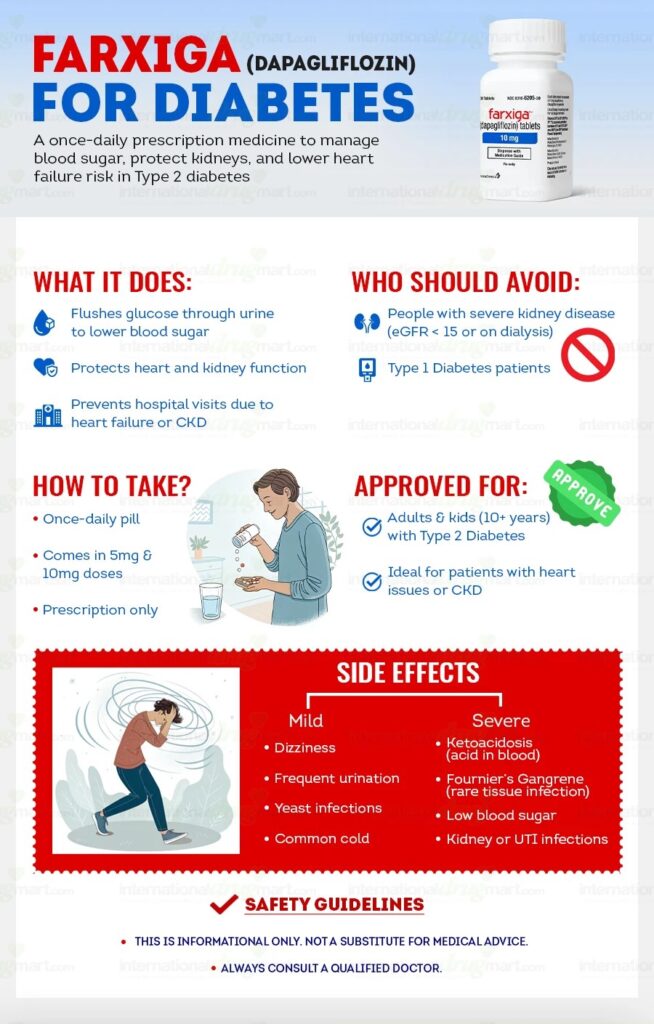
Farxiga belongs to a class of drugs known as SGLT2 inhibitors (sodium-glucose cotransporter 2 inhibitors). While its primary job was once just “diabetes management,” the FDA has expanded its approved uses significantly over the last few years.
1. Management of Type 2 Diabetes
Farxiga is primarily indicated as an adjunct to diet and exercise to improve glycemic control in adults and children (aged 10 and older) with Type 2 diabetes. Unlike older diabetes meds that force your pancreas to pump out more insulin, Farxiga takes a different route: it works with your kidneys.
2. Heart Failure (HFrEF and HFpEF)
One of the most revolutionary shifts in cardiology was the discovery that SGLT2 inhibitors like Farxiga protect the heart. It is now widely prescribed to:
-
Reduce the risk of cardiovascular death.
-
Prevent hospitalization for heart failure.
-
Improve symptoms in patients with heart failure, regardless of whether they have diabetes.
3. Chronic Kidney Disease (CKD)
For those at risk of kidney progression, Farxiga has become a literal lifesaver. It is FDA-approved to reduce the risk of sustained eGFR (estimated glomerular filtration rate) decline, end-stage kidney disease (ESKD), and cardiovascular death in adults with CKD.
How Does Farxiga Work? The Science of “Peeing Out Sugar”
To understand the weight loss aspect, you first have to understand the mechanism.
Normally, your kidneys filter glucose out of your blood and then reabsorb it back into the bloodstream so your body can use it for energy. The SGLT2 protein is the “gatekeeper” responsible for this reabsorption.
Farxiga blocks this gatekeeper.
When SGLT2 is inhibited, your kidneys stop reabsorbing a significant portion of that glucose. Instead, the sugar is excreted through your urine.
-
Glucose Excretion: On average, Farxiga causes you to lose about 75 grams of glucose per day in your urine.
-
Caloric Deficit: Since each gram of glucose contains 4 calories, you are effectively “flushing away” approximately 300 calories every single day.
How Rapid is Weight Loss with Farxiga?
If you are looking for the “overnight” transformation often promised by fad diets, Farxiga might surprise you—both in how it starts and how it sustains.
The First 2 to 4 Weeks: The “Flush” Phase
Many patients report a relatively quick drop in weight within the first month. However, it is important to be candid: this is mostly water weight.
Because Farxiga encourages the excretion of glucose and sodium, it has a mild diuretic effect. Your body sheds excess fluid, which can result in a 2–3 lb loss in the first 14 days. You might feel “de-puffed” or notice your rings fitting more loosely.
Month 2 to Month 6: The Fat Loss Phase
This is where the real work happens. Once the initial fluid shift stabilizes, the 300-calorie daily deficit from glucose excretion begins to tap into your fat stores.
-
Clinical Data: In 24-week clinical trials, the average weight loss was roughly 6 to 7 pounds.
-
The Plateau: Unlike many weight loss methods that hit a hard wall at 3 months, Farxiga weight loss tends to be gradual and steady, often continuing for up to a full year.
Is Farxiga Weight Loss “Rapid”?
Compared to a “crash diet,” no. Compared to other diabetes medications that often cause weight gain (like insulin or sulfonylureas), yes. It provides a metabolic “tail wind” that makes your healthy choices more effective.
| Timeline | Estimated Weight Loss | Primary Source of Loss |
| Week 1-4 | 2–4 lbs | Fluid/Water Weight |
| Month 3 | 4–6 lbs | Mix of Fluid and Body Fat |
| Month 6 | 6–10 lbs | Predominantly Body Fat |
| 1 Year+ | 10–12+ lbs | Sustained Metabolic Change |
Maximizing Results: Farxiga and Metformin
Can you speed up the process? Often, Farxiga is prescribed alongside Metformin.
Studies have shown that this “power duo” can lead to more significant weight reduction than either drug alone. While Farxiga handles the glucose excretion, Metformin improves insulin sensitivity and can subtly suppress appetite. Patients on this combination often see a weight reduction of 5% to 7% of their total body weight over a year.
Farxiga vs. Ozempic: Which is Better for Weight Loss?
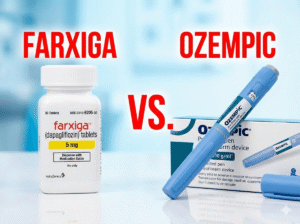
It’s the question everyone is asking in 2026. While both help with weight, they are very different tools.
-
Ozempic/Wegovy (Semaglutide): A GLP-1 agonist that works primarily by slowing digestion and signaling “fullness” to the brain. Weight loss is usually more significant (15% or more of body weight) but can come with intense nausea.
-
Farxiga: An SGLT2 inhibitor that works through the kidneys. Weight loss is more modest (3–5%) but generally carries fewer gastrointestinal side effects.
The Verdict: If your primary goal is massive weight loss, GLP-1s are more potent. However, if you need to protect your kidneys and heart while losing a moderate amount of weight without the “Ozempic face” or constant nausea, Farxiga is an excellent choice.
FAQs Answered
1. How much weight can I lose on Farxiga in a month?
Realistically, you can expect to lose 2 to 5 pounds in the first month. Keep in mind that a significant portion of this is water weight due to the drug’s diuretic effect. Fat loss is a slower, secondary process.
2. Can I take Farxiga if I don’t have diabetes?
Yes, but only for specific conditions. Doctors now prescribe Farxiga for Heart Failure and Chronic Kidney Disease regardless of your diabetes status. It is currently not FDA-approved as a standalone weight-loss drug for people without these conditions, though some doctors may use it “off-label.”
3. Does Farxiga cause weight gain in some people?
It is very rare. Unlike insulin, which helps the body store sugar as fat, Farxiga removes sugar from the system. If you are gaining weight on Farxiga, it is likely due to other factors like diet, lifestyle, or other medications you may be taking concurrently.
4. What are the side effects of Farxiga weight loss?
The weight loss itself isn’t the problem, but the way it happens can cause issues. Because you have more sugar in your urine, you are at a higher risk for:
-
Yeast Infections: Bacteria and yeast love sugar.
-
UTIs: Increased glucose in the urinary tract can invite infection.
-
Dehydration: Since you’re urinating more, you must increase your water intake.
5. Will I gain the weight back if I stop taking Farxiga?
If you rely solely on the “300-calorie flush” of the medication without making lifestyle changes, you will likely regain the weight once the drug is stopped and your kidneys go back to reabsorbing all that glucose.
Safety First: What to Discuss with Your Doctor
While Farxiga is generally well-tolerated, it isn’t for everyone. You should be cautious if you:
-
Have a history of frequent UTIs.
-
Are prone to dehydration or low blood pressure.
-
Have Type 1 diabetes (due to the risk of Euglycemic Ketoacidosis).
Pro-Tip: If you start feeling unusually tired, nauseous, or have stomach pain, contact your doctor immediately. Even if your blood sugar is “normal,” SGLT2 inhibitors can rarely cause a specific type of ketoacidosis.
Conclusion: A Tool, Not a Miracle
Farxiga is a powerhouse for heart and kidney protection, and its ability to assist in weight loss is a fantastic “bonus” for most patients. While the weight loss isn’t as “rapid” or extreme as some of the newer injectable medications, its steady, sustainable nature makes it a favorite for long-term health management.
If you’re looking to manage your Type 2 diabetes while shedding those stubborn 7–10 pounds, Farxiga offers a scientifically backed path to get there.
If you are ready to take control of your metabolic health and leverage the heart-protective benefits of this SGLT2 inhibitor, you can Buy Farxiga Online through our secure pharmacy portal today. Whether you are managing Type 2 diabetes or looking to support your kidney function, we offer a streamlined process to Order Dapagliflozin 10mg with fast, discreet shipping directly to your door. Don’t wait to start your journey toward better glucose management and sustainable weight support— Get Your Farxiga Prescription Refilled now and see the difference that professional-grade metabolic support can make in your daily routine.